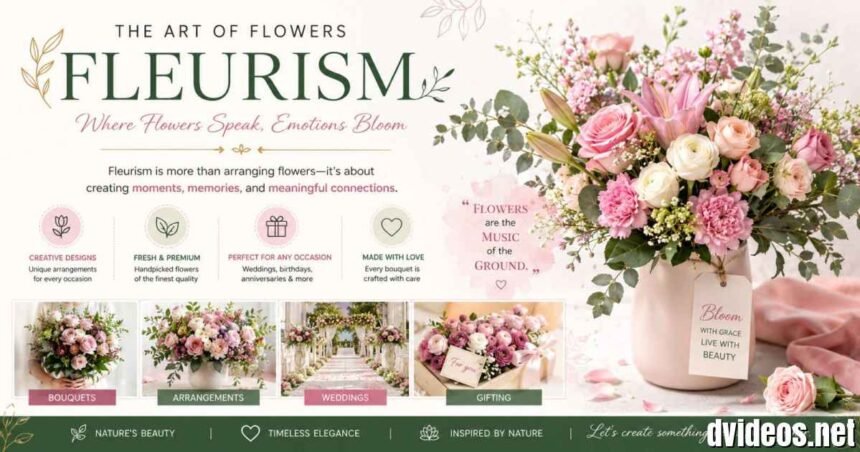
Flowers have always symbolized beauty, growth, hope, and renewal, but in 2026, they are inspiring something much deeper. Fleurism is an emerging lifestyle philosophy that encourages people to reconnect with nature through flowers, botanical design, mindfulness, and sustainable living. Rather than treating flowers as decorations for special occasions, Fleurism transforms them into a meaningful part of everyday life.
As more people seek balance in a fast-paced digital world, floral aesthetics, botanical interiors, flower therapy, and nature-inspired wellness continue to gain popularity across TikTok, Instagram, Pinterest, and home décor communities. Whether you’re creating a calming home, practicing mindful self-care, or simply enjoying seasonal blooms, Fleurism offers a refreshing way to slow down and appreciate nature.
This complete guide explains what Fleurism is, where it comes from, its core principles, fashion and home décor trends, wellness benefits, and how to begin your own Fleurism journey in 2026.
What Is Fleurism? Meaning and Definition
The word Fleurism comes from the French word “fleur,” meaning flower. Today, the concept represents more than simply enjoying floral arrangements. It is a lifestyle philosophy centered around intentionally bringing flowers and plants into everyday living to promote creativity, mindfulness, emotional well-being, and a stronger connection with nature.
Unlike traditional floristry, which focuses on arranging flowers professionally, Fleurism combines multiple ideas into one holistic lifestyle, including:
- Floral design
- Mindful living
- Self-care rituals
- Sustainable practices
- Slow living
- Nature-inspired home décor
Someone who embraces this philosophy is sometimes called a Fleurist—a person who curates life with the same balance, beauty, and intention that a florist brings to a bouquet.
Rather than being about luxury or expensive flowers, Fleurism encourages finding beauty in simple seasonal blooms, growing plants at home, and appreciating nature’s changing rhythms.
The Origins and Inspiration Behind Fleurism
Although the name Fleurism is modern, the ideas behind it have existed for centuries.
Several historical traditions inspire this lifestyle, including:
- Floriography, the Victorian language of flowers, where different flowers carried symbolic meanings.
- Ikebana, the Japanese art of flower arrangement that emphasizes balance, harmony, and simplicity.
- Hanami, Japan’s centuries-old tradition of appreciating seasonal cherry blossoms.
- Traditional herbal gardens and botanical practices that celebrate plants for their beauty and cultural significance.
In recent years, independent florists, botanical artists, wellness creators, and sustainable lifestyle communities have increasingly embraced flower-inspired living. Social media has further popularized floral aesthetics, pressed flowers, botanical interiors, cottage-inspired décor, and seasonal gardening, making flower-centered lifestyles more accessible than ever.
Today, Fleurism represents an appreciation for slowing down, reconnecting with nature, and finding joy in everyday moments.
The Five Core Principles of the Fleurism Lifestyle
Understanding Fleurism begins with its five guiding principles.
1. Intentional Bloom
Every flower has its own symbolism. Instead of choosing flowers randomly, Fleurists select blooms that match their emotions or intentions.
Examples include:
- Lavender for calmness
- Chamomile for relaxation
- Sunflowers for positivity
- Marigolds for warmth and energy
- Roses for love and appreciation
This mindful approach is often described as flower therapy, where flowers become meaningful rather than purely decorative.
2. Seasonal Living
Fleurism encourages appreciating flowers during their natural growing seasons.
Choosing seasonal blooms supports:
- Local flower growers
- Environmental sustainability
- Lower costs
- Greater freshness
Spring tulips, summer peonies, autumn dahlias, and winter greenery each become part of nature’s yearly rhythm.
3. Slow, Mindful Rituals
Simple activities such as trimming stems, changing vase water, or arranging flowers can become relaxing daily rituals that encourage mindfulness and reduce everyday stress.
4. Beauty in Imperfection
Inspired by the Japanese philosophy of Wabi-Sabi, Fleurism embraces natural imperfections.
Wilting petals, dried flowers, faded colors, and pressed blooms all represent the beauty of life’s changing seasons.
5. Life Is a Garden
Perhaps the most meaningful Fleurism principle is seeing every part of life as a garden.
Healthy relationships, personal growth, creativity, and emotional well-being all require patience, care, and consistent nurturing—just like flowers.
Fleurism in Fashion, Beauty, and Home Décor
Flowers continue to inspire designers, artists, and homeowners in creative ways.
Fashion
Modern floral fashion includes:
- 3D floral appliqués
- Botanical prints
- Rose-inspired dresses
- Petal-shaped handbags
- Pressed-flower resin jewelry
- Romantic silhouettes
- Nature-inspired accessories
These styles celebrate softness, creativity, and botanical elegance.
Beauty
Flower-inspired beauty products remain popular through:
- Rose-based skincare
- Calendula creams
- Lotus extracts
- Hibiscus masks
- Jasmine fragrances
- Peony perfumes
Many people also enjoy layering floral fragrances to create unique personal scent combinations.
Home Décor
A Fleurist home focuses on bringing nature indoors.
Popular decorating ideas include:
- Fresh flowers in living spaces
- Dried eucalyptus bundles
- Pampas grass arrangements
- Vintage glass vases
- Pressed flower artwork
- Sage green, dusty rose, cream, butter yellow, and terracotta color palettes
- Natural wood furniture
- Indoor herb gardens
Even one small vase of seasonal flowers can make a room feel calmer and more welcoming.
Fleurism and Mental Wellness
Many people find that spending time around flowers and plants improves their mood and encourages relaxation. While individual experiences vary, research has suggested that exposure to nature and flowers can contribute to positive emotional well-being.
Popular Fleurism wellness practices include:
- Morning Bloom Ritual: Spend five peaceful minutes caring for flowers before checking your phone.
- Floral Journaling: Press a flower into your journal alongside your weekly reflections.
- Flower Baths: Add rose petals, lavender, or eucalyptus to create a calming atmosphere.
- Mindful Flower Arranging: Treat arranging flowers as a relaxing creative activity.
- Meaningful Flower Gifting: Choose flowers based on their traditional symbolism to make gifts more personal.
These simple habits encourage mindfulness, gratitude, and a deeper appreciation for everyday beauty.
How to Start Your Fleurism Journey
Beginning Fleurism doesn’t require a large budget or a beautiful garden.
Here are five simple steps:
Choose one seasonal flower. Learn its name, meaning, and care instructions.
Create a Fleurism corner. Dedicate a small area near natural light for flowers or houseplants.
Support local growers. Whenever possible, buy flowers from local farmers or neighborhood florists.
Reduce waste. Compost wilted flowers, reuse glass jars as vases, and preserve meaningful blooms through drying or pressing.
Enjoy the process. Fleurism isn’t about creating a perfect social media aesthetic. It’s about slowing down, appreciating nature, and allowing beauty to become part of everyday life.
Final Thoughts
Fleurism represents a gentle reminder that beauty doesn’t have to be rushed. Whether you’re arranging a single rose, growing herbs on a windowsill, creating botanical artwork, or filling your home with seasonal flowers, every small act strengthens your connection with nature.
In a world filled with constant notifications and busy schedules, Fleurism encourages us to pause, breathe, and notice the quiet beauty around us. It celebrates patience, creativity, sustainability, and mindful living—qualities that remain timeless regardless of changing trends.
If you’re looking for a simple yet meaningful lifestyle to embrace in 2026, Fleurism offers an inspiring path. Start with one flower, enjoy each season as it comes, and remember that just like a garden, personal growth happens one bloom at a time.